Spina Bifida

Finding clothing that works with spina bifida — rather than against it — takes more effort than it should. The daily reality of managing catheterization, using a wheelchair or mobility aids, wearing AFO braces, and protecting skin that may have reduced sensation means that standard off-the-shelf clothing often falls short. Adaptive clothing designed specifically for people with spina bifida closes that gap, and the Silverts collection covers the most important categories.


What Makes Clothing Adaptive for Spina Bifida

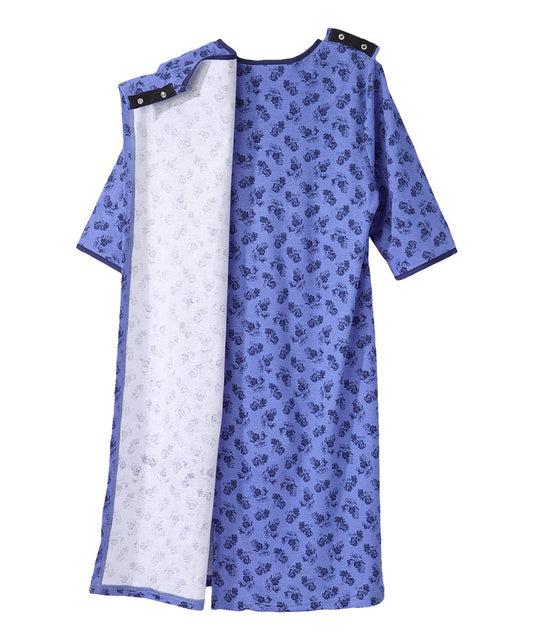
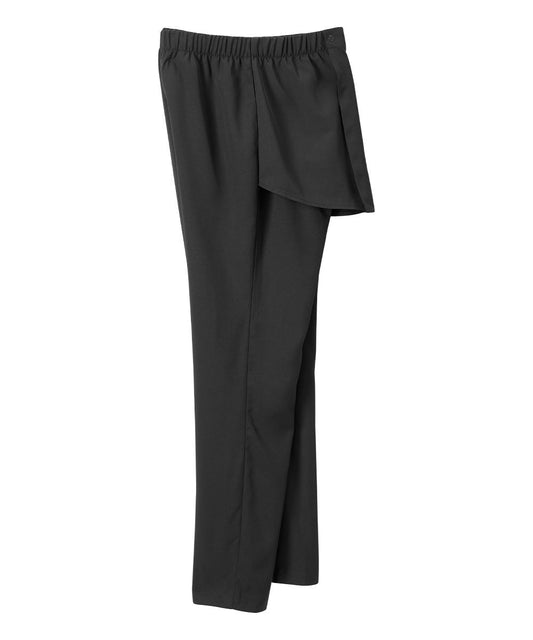
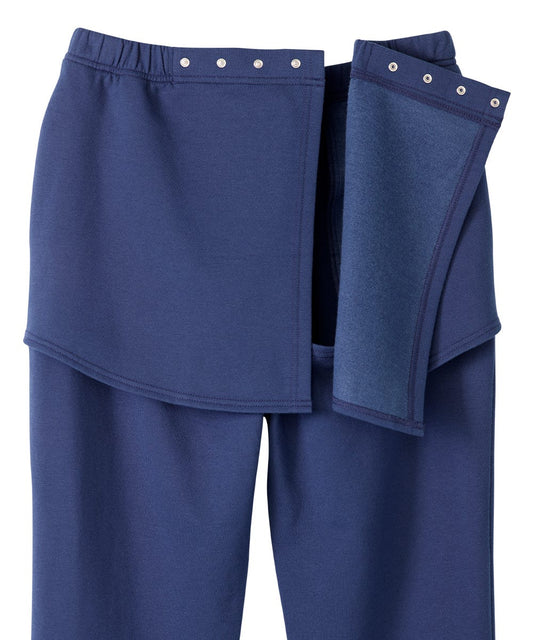
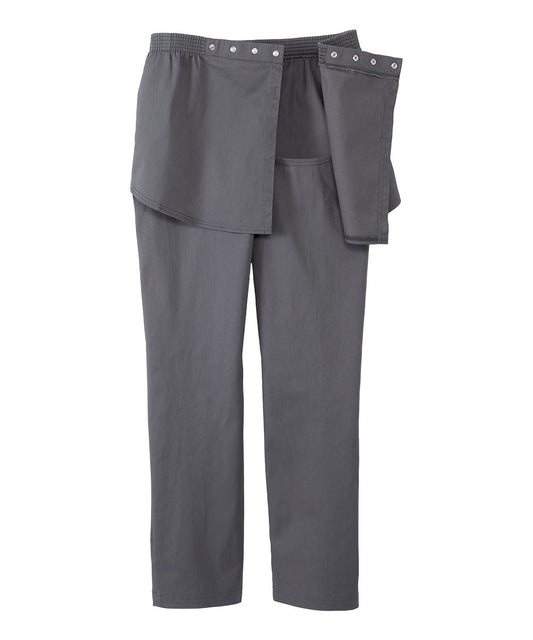
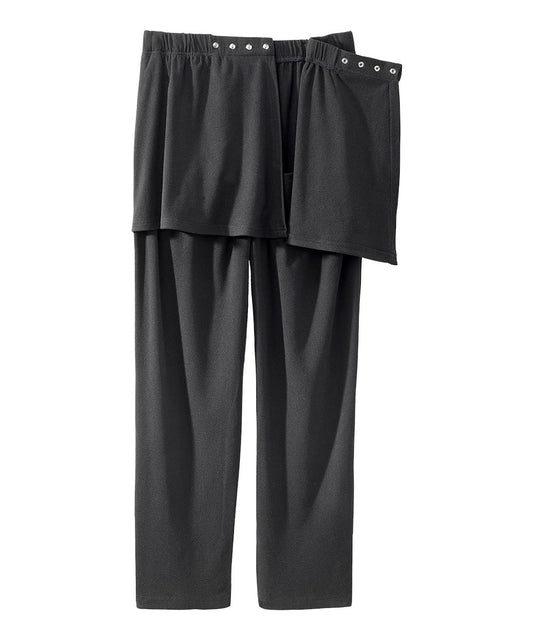
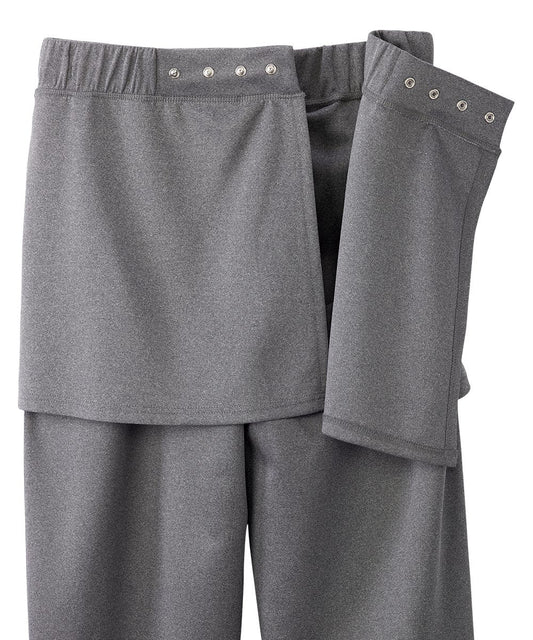
The key features aren't complicated, but they matter a lot. Catheter-accessible pants — with open panels, snap sides, or easy pull-down waistbands — allow clean intermittent catheterization (CIC) to happen more easily and privately, whether through the urethra or a Mitrofanoff. Wheelchair-ready cuts sit higher at the back and lower in the front, eliminating the bunching and waistband pressure that makes sitting in a wheelchair uncomfortable over hours. Soft, smooth fabrics without internal seams or tags reduce the risk of pressure irritation in areas with reduced sensation. These features aren't niche. For anyone managing spina bifida day-to-day, they're essential.

What's in This Collection

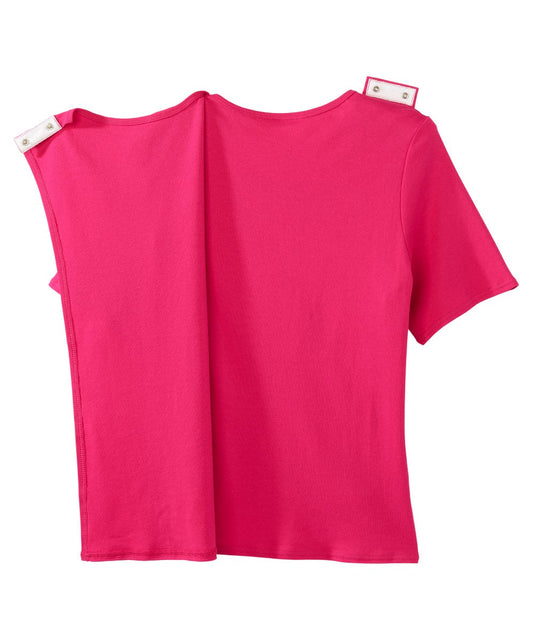
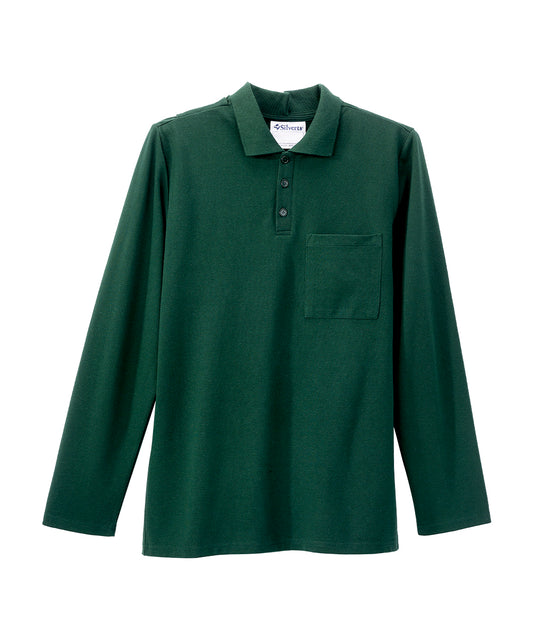
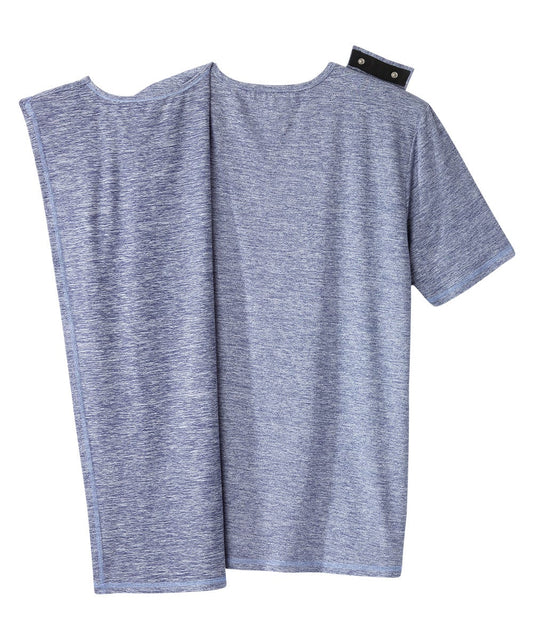
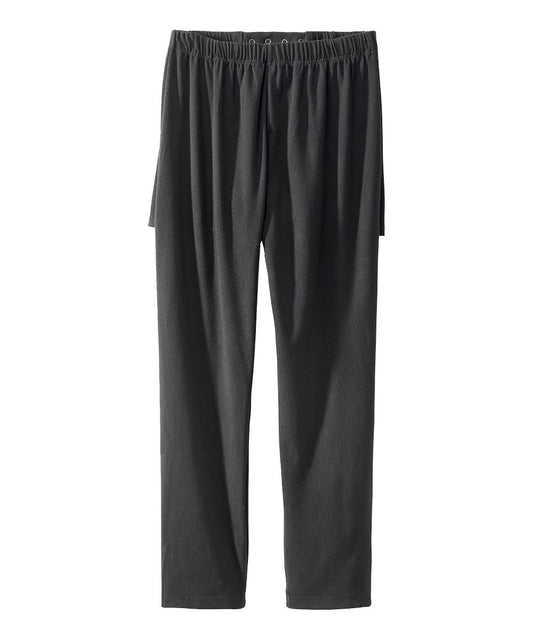
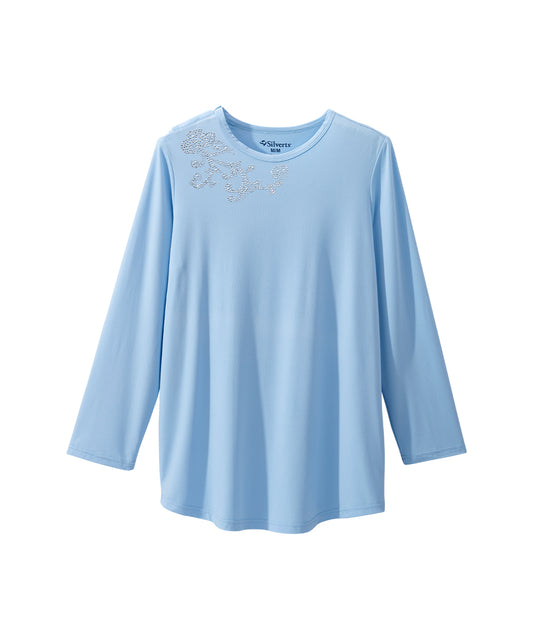
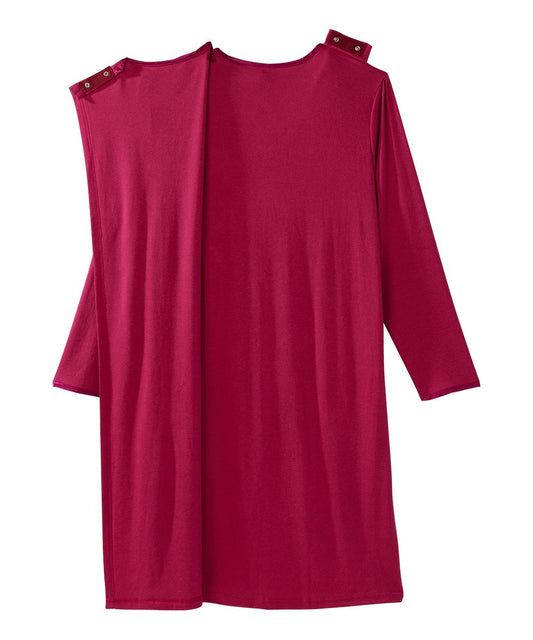
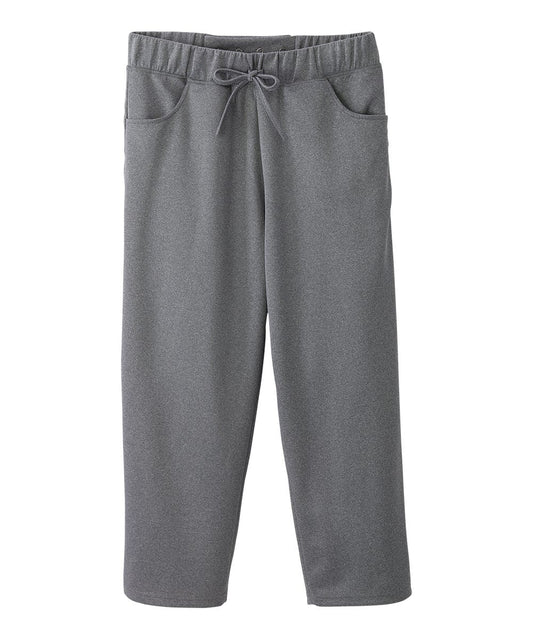
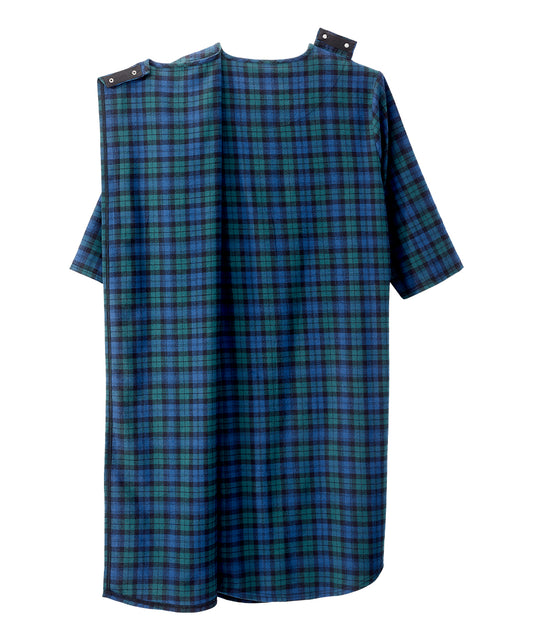
Catheter-access pants for men and women, open-back and open-front adaptive tops, pull-on elastic waist trousers, wheelchair-adapted adaptive bottoms, easy-closure footwear compatible with AFOs, and adaptive basics made from skin-friendly fabrics. Each product is chosen for functional relevance to the real experience of living with spina bifida — not for general "adaptive" appeal.

Clothing for Adults Living With Spina Bifida

Most people with spina bifida in Canada today were born with the condition and have been navigating it their entire lives. As adults, they have strong opinions about how they want to look and dress — and rightfully so. Clothing that works adaptively but doesn't look it is worth searching for. The products in this section are designed to do exactly that: deliver the functional access points and seated-fit engineering that spina bifida requires, in styles that are appropriate for real adult life.

For Families Supporting Children and Young Adults

Parents and PSWs supporting children or young adults with spina bifida through dressing routines quickly learn which features make the biggest difference. Waistbands that accommodate catheterization without a full undressing. Fabrics that can go through daily washes and still feel soft against skin with reduced sensation. Closures a child or teenager can manage on their own as they work toward independent dressing. The products here are chosen with that practical experience in mind.